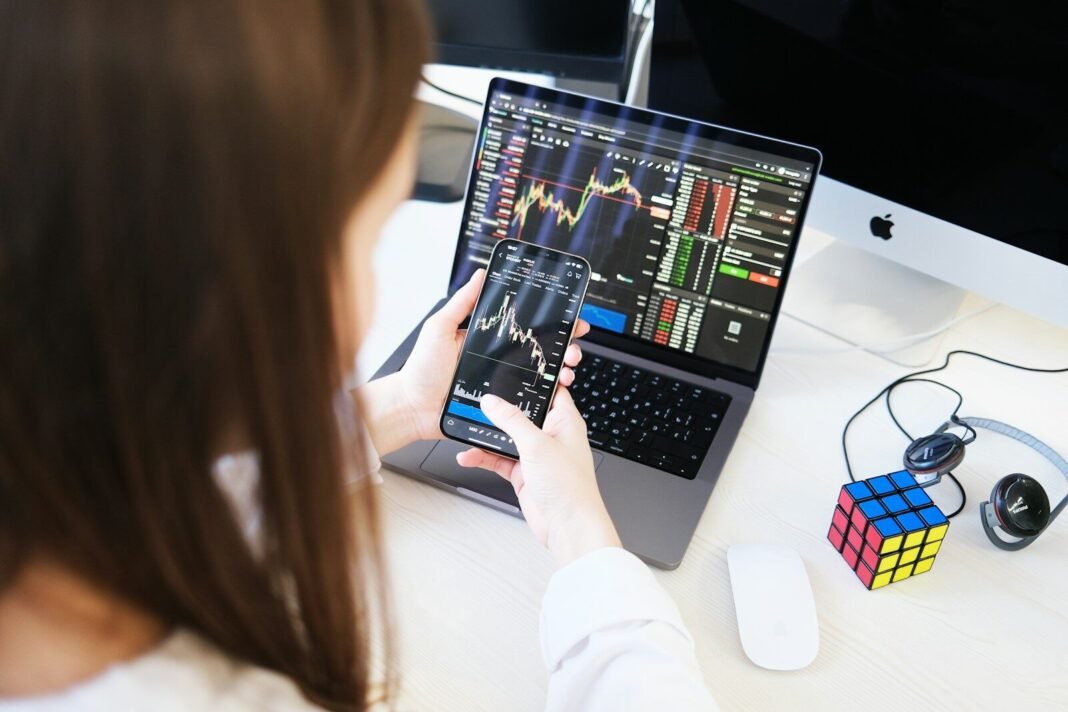
You might have noticed that when you buy or sell cryptocurrency, it goes through in a snap, even though this process takes quite some time. Crypto market makers make this seamless experience available.
The role of a crypto market maker to ensure the market is dynamic and smooth is quite significant. It would be cumbersome and time-consuming to purchase and sell crypto without them.
In this guide, you will understand a crypto market maker, its operation, and its significance to traders and investors.
What is a Crypto Market Maker?
The crypto market maker is an individual, organization, or computer that offers liquidity to the market. Liquidity refers to the ease with which you can purchase or sell an asset without causing much of a change in its price.
Market makers buy and sell on an exchange. This means that there will be someone willing to trade.
To put it simply, they ensure that you can either sell or buy crypto at any time without necessarily having to wait until another buyer or seller comes along.
Also Read: How to Buy Ethereum: The Complete Beginner’s Guide
How Market Makers Work?
Market makers have a straightforward yet effective approach. They have two kinds of orders:
- Buy orders (bids): The amount they are prepared to pay.
- Sell orders (asks): The price at which they are prepared to sell.
The spread between these two prices is referred to as the spread. That is the way the market makers make money.
For example:
- Buy price: $100
- Sell price: $102
The market maker makes money out of the $2 when a trader purchases at $102 and another sells at $100. They do this numerous times and earn little profit on each trade.
Why Market Makers Are Important?
The crypto markets cannot operate without market makers. They make sure that buyers and sellers are there at all times, and consequently, trade is quick and simple. It would be hard to sell and purchase cryptocurrencies immediately without them.
They further minimize the volatility of prices. Prices may fluctuate abruptly in markets that are not active enough. The market makers stabilize the supply and demand, and this has the effect of making the prices more predictable and stable for the traders.
The other significant advantage is an enhanced trading experience. Due to market makers, traders are able to enter and exit positions without any form of delay. This facilitates the entire process, making it more efficient and easier to use.
New tokens in the market are also supported by market makers. They are used to generate trading activity in many new crypto projects. It will aid in the attraction of investors, expansion of the token’s visibility, and growth.
Types of Crypto Market Makers
1. Manual Market Makers
These are those people or companies who make trades by hand with strategies and experience.
2. Algorithmic Market Makers
These utilize automated systems and bots in order to make orders fast. The majority of modern market making is carried out in this manner.
3. Automated Market Makers (AMMs)
AMMs have been applied in decentralized exchanges such as Uniswap. They do not have buyers and sellers but liquidity pools.
How Market Makers Make Money
- Spread Profit: They earn the difference between the buy and sell prices.
- Trading Volume: They make small profits on many trades. High volume leads to higher total profit.
- Exchange Incentives: Some exchanges offer rewards or lower fees to market makers for liquidity provider.
- Arbitrage Opportunities: They take advantage of price differences between exchanges to earn a profit.
Risks Faced by Market Makers
- Price Volatility: Sudden price changes can lead to losses if positions are not managed properly.
- Inventory Risk: Holding too much of one asset can be risky if the price drops suddenly.
- Competition: Many market makers compete in the same market, reducing profit margins.
- Technical Risks: Algorithmic systems can fail or make errors, leading to losses.
Also Read: CEX vs DEX: Which Crypto Exchange Is Right for You?
A Simple Example
Let’s take an example of a trader. He acts as a market maker on a crypto exchange and he places – Buy order at $50 and Sell order at $52. When someone sells at $50, and another buys at $52, Arjun earns $2 per trade.
He repeats this process many times throughout the day. Even small profits add up over time.
However, if the price suddenly drops to $45, he may face losses if he is holding inventory.
This shows both the opportunity and risk of market making.
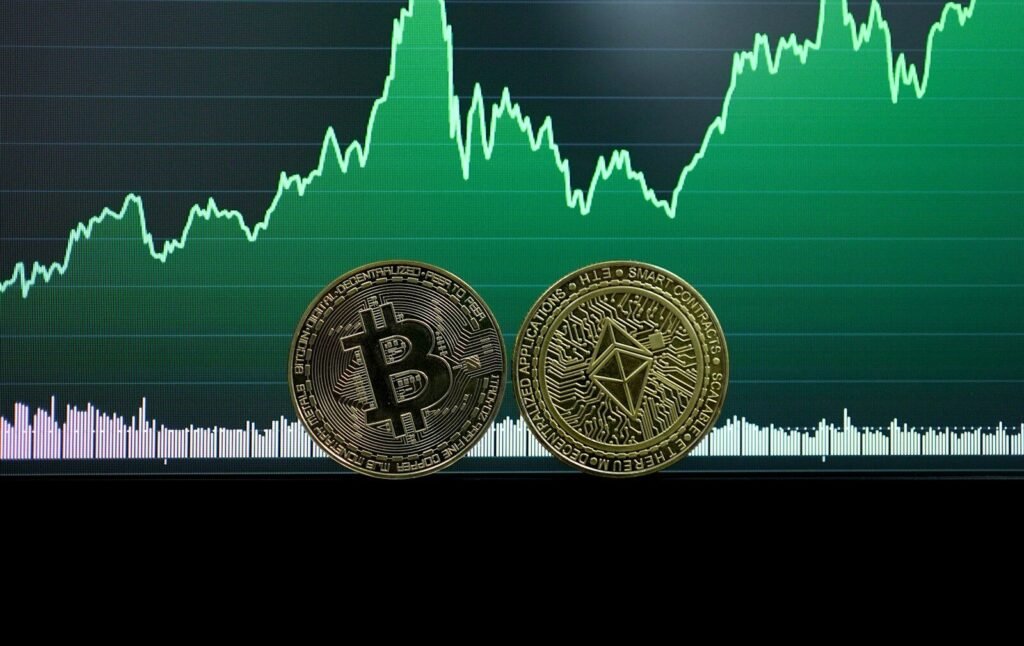
How Exchanges Use Market Makers
Cryptocurrency exchanges are heavily dependent on market makers to keep their exchanges functional and effective. In their absence, users may not be able to easily buy or sell an asset.
Exchanges usually have professional market-making firms as partners to ensure there is sufficient liquidity at all times. These companies act as liquidity providers. They are constantly issuing buy and sell orders within the company, thereby ensuring the continued flow of trading.
In order to promote this activity, there are different benefits that are given in exchange. These can be reduced trading fees, liquidity provision rebates, and market maker-oriented special programs. This contributes to an overall healthy and active trading environment.
Conclusion
The trading system is supported by crypto market makers. They make markets active, liquid, and efficient.
They facilitate traders in entering and leaving positions by placing buy and sell orders. They decrease price fluctuations as well and enhance the trading experience.
Though market making is a profitable practice, it is not free of risks. This will teach you to be a smarter trader and make more informed decisions on the crypto market because you have understood how it works.
Frequently Asked Questions (FAQs)
1. What does a crypto market maker do?
A crypto market maker provides liquidity by placing continuous buy and sell orders in the market. This ensures traders can execute transactions quickly without waiting for matching orders.
2. How do market makers make money?
They earn profit from the spread between buy and sell prices and through high trading volume. Some also benefit from exchange incentives and arbitrage opportunities.
3. Are market makers important?
Yes, they are very important for smooth trading. They are liquidity provider, reduce price fluctuations, and improve overall market efficiency for all users.
4. What is an Automated Market Maker (AMM)?
An AMM is a system that uses liquidity pools and mathematical formulas instead of order books. It allows users to trade directly from the pool in decentralized exchanges.
5. Can beginners become market makers?
Yes, beginners can become market makers, but they need proper knowledge, strategies, and risk management skills to handle market volatility and avoid potential losses.