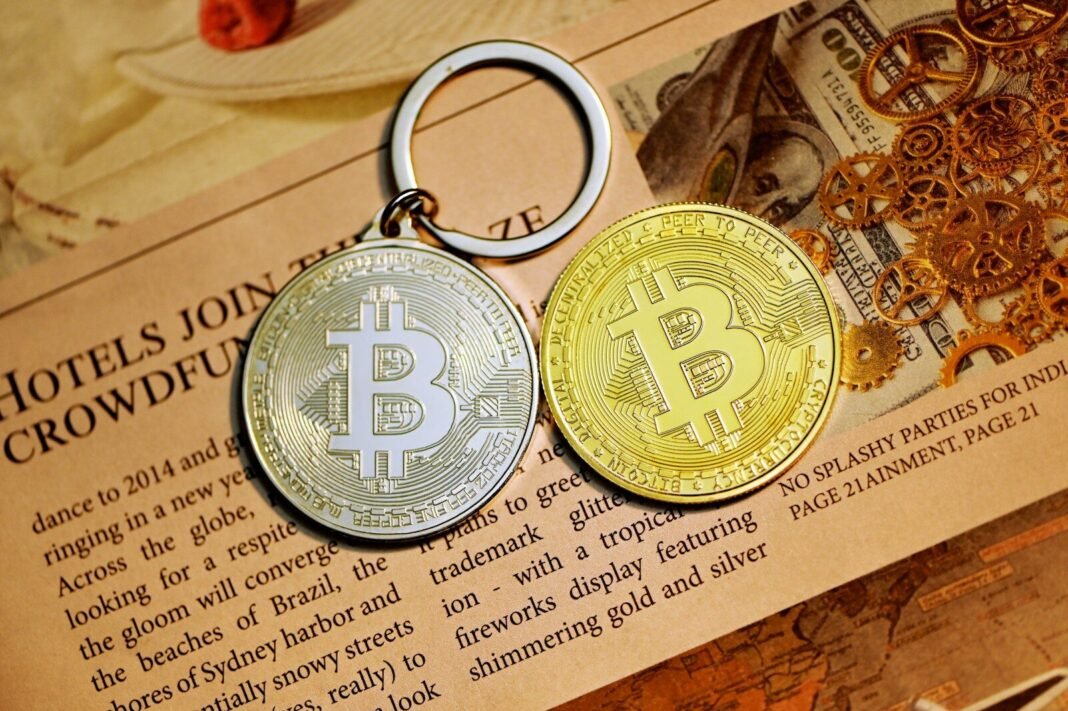
Crypto can feel confusing at first, especially when you see new terms like “wrapped tokens.” But don’t worry – this concept is actually simple once you understand it.
A wrapped token crypto is a special type of cryptocurrency that represents another crypto on a different blockchain. It helps different blockchains work together more easily and improves the way digital assets move across networks.
Wrapped tokens are becoming very important in modern blockchain systems because they allow users to access more apps, services, and opportunities without being limited to a single blockchain.
What Is a Wrapped Token?
A wrapped token crypto is a digital token that is tied to the value of another cryptocurrency. It acts like a digital version of the original asset on a different blockchain.
For example, a popular wrapped token is Wrapped Bitcoin. It is a version of Bitcoin that works on the Ethereum network. Even though it is not real Bitcoin, it keeps almost the same value as Bitcoin and can be used inside Ethereum applications.
The word “wrapped” means the original crypto is locked safely somewhere, and a new token is created in its place. This allows the asset to be used on another blockchain while still keeping its original value.
Why Do Wrapped Tokens Exist?
Different blockchains cannot easily communicate with each other because they are built using different technologies and rules. For example, Bitcoin and Ethereum are completely separate systems. This creates a problem. If you want to use Bitcoin in Ethereum apps, you cannot do it directly because Bitcoin does not naturally work on Ethereum.
Wrapped tokens solve this problem by allowing one cryptocurrency to be used on another blockchain. This improves compatibility between networks and makes crypto much more flexible. They also help users access more decentralized finance (DeFi) services, trading platforms, and blockchain applications without selling their original assets.
How Do Wrapped Tokens Work?
A wrapped token crypto works through a simple but important process. First, the original cryptocurrency is locked in a secure system called a custodian or smart contract. This ensures the original asset remains safe while the wrapped version is being used elsewhere.
Then, a new token is created on another blockchain. This new token represents the locked crypto and keeps the same value as the original asset. When you want your original crypto back, the wrapped token is burned (destroyed), and the original asset is released again. This process keeps the supply balanced and helps maintain trust in the system.
Example of a Wrapped Token Crypto
Let’s understand with a simple example.
Suppose you own Bitcoin, but you want to use an Ethereum-based app for lending or trading. Since Bitcoin does not work directly on Ethereum, you can convert your Bitcoin into Wrapped Bitcoin (WBTC).
Now your WBTC can be used on Ethereum apps just like any Ethereum-based token. You can trade it, lend it, or use it in DeFi services. Later, if you want your original Bitcoin back, you can convert the WBTC back into Bitcoin. This process makes crypto more useful without forcing users to sell their assets completely.
Benefits of Wrapped Tokens
1. Better Compatibility
They allow different blockchains to work together more smoothly. This makes cryptocurrencies more flexible and useful across many platforms and applications.
2. More Use Cases
Users can access more services like lending, trading, staking, and decentralized finance (DeFi) without needing to exchange their original assets completely.
3. Faster Transactions
Some blockchains process transactions faster than others. Wrapped tokens allow users to move assets onto quicker and more efficient networks when needed.
4. Improved Liquidity
Wrapped tokens increase the availability of assets across different markets. This improves liquidity and makes trading easier for users and platforms.
5. Better Access to DeFi
Many DeFi applications mainly work on Ethereum or similar networks. Wrapped tokens help users bring assets from other blockchains into these ecosystems.
Risks of a Wrapped Token Crypto
1. Custodian Risk
Some wrapped tokens depend on a third party to hold the original asset safely. If the custodian fails or faces security issues, users may lose access to funds.
2. Smart Contract Risk
Smart contracts control many wrapped token systems. If there are bugs, coding errors, or hacks, users could lose money or face security problems.
3. Centralization Risk
Some wrapped token systems rely heavily on centralized organizations instead of fully decentralized systems. This goes against one of crypto’s main ideas.
4. Price Risk
Wrapped tokens are designed to match the value of the original asset, but small price differences can sometimes happen due to market conditions or liquidity issues.
5. Technical Complexity
For beginners, wrapped tokens can feel difficult to understand. Users must carefully learn how the system works before using it.
Where Are Wrapped Tokens Used?
Wrapped tokens are widely used in decentralized finance (DeFi). They play a major role in helping users access different blockchain ecosystems. They are commonly used for trading on decentralized exchanges, lending platforms, staking services, and yield farming applications.
Wrapped tokens also help users move value between different blockchains without needing to sell their assets first. This makes crypto investing and trading more efficient and flexible.
Many blockchain projects now depend on wrapped assets to improve cross-chain activity and increase liquidity.
Conclusion
Wrapped token crypto is a simple but powerful idea in crypto. They allow one cryptocurrency to be used on another blockchain while keeping almost the same value. This makes crypto more flexible, useful, and connected across different networks and applications.
By understanding wrapped tokens, users can explore more opportunities in decentralized finance, trading, and blockchain technology. As the crypto industry grows, wrapped tokens will continue helping blockchains work together more efficiently and smoothly.
Frequently Asked Questions (FAQs)
1. What is a wrapped token in crypto?
A wrapped token crypto is a cryptocurrency that represents another crypto on a different blockchain while keeping the same value. It is created by locking the original asset and issuing a new token that can be used on another network.
2. Why are wrapped tokens needed?
They are needed to connect different blockchains and allow assets to be used across multiple platforms and applications. This makes crypto more flexible and helps users access more services like trading, lending, and DeFi apps.
3. Is a wrapped token the same as the original crypto?
It is not the same, but it has the same value because it is backed by the original asset. The original crypto is stored safely, while the wrapped version is used on another blockchain for easier access and usage.
4. Are wrapped tokens safe?
They are generally safe, but risks depend on the system used. If a trusted custodian or secure smart contract is involved, safety is higher. However, users should always check the platform and understand possible risks before using it.
5. Can I convert wrapped tokens back to original crypto?
Yes, you can convert them back by burning the wrapped token and unlocking the original asset. This process ensures that the total supply remains balanced and the value stays equal to the original cryptocurrency.