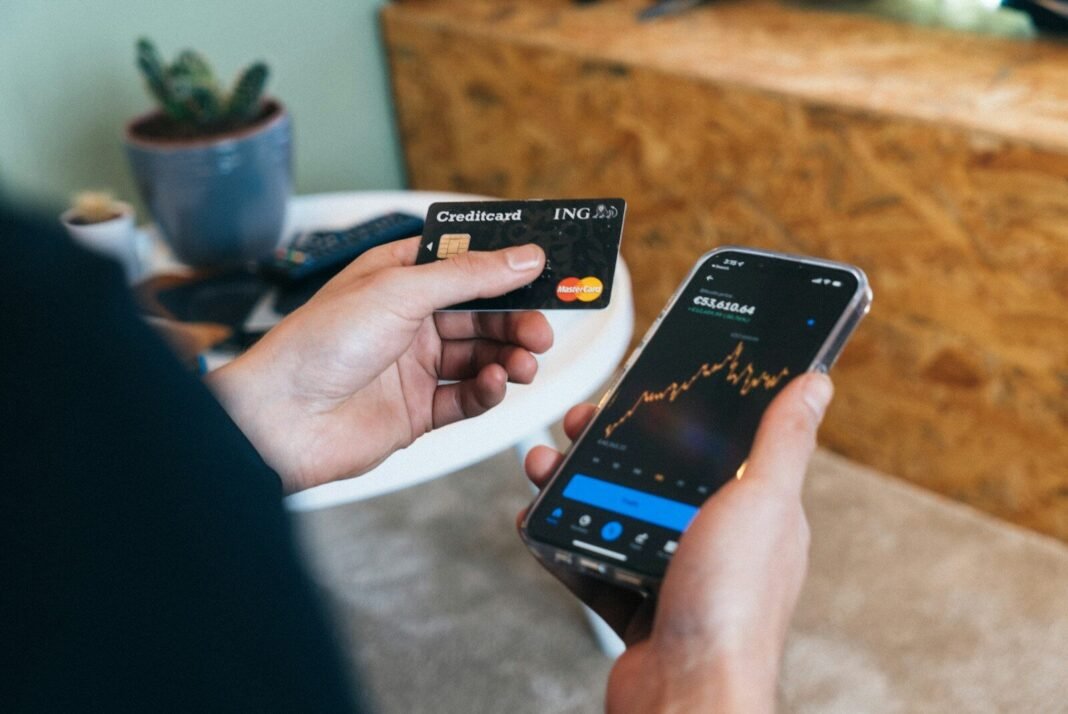
Crypto is becoming more popular every year. Today, people can use cryptocurrency not only for trading but also for shopping, traveling, and making online payments. One popular way to spend crypto is through crypto cards.
When you make a payment, the card automatically converts your crypto into regular money. This allows people to spend cryptocurrency in places that may not directly accept crypto payments.
There are two main types of crypto cards: crypto credit cards and crypto debit cards. Both help users spend digital currency, but they work differently. Understanding these differences can help you choose the right option for your needs.
What Is a Crypto Debit Card?
A crypto debit card works very similarly to a normal debit card. It uses your own cryptocurrency balance for payments. You must already have crypto funds in your wallet before using the card. When you make a purchase, the amount is deducted directly from your balance.
The crypto is instantly converted to the local currency at the time of payment. This makes the process simple and quick for users. Crypto debit cards are popular among beginners because they are easy to understand and help control spending.
Features of Crypto Debit Cards
- Uses your own crypto balance.
- No borrowing involved.
- Helps control spending.
- Instant crypto conversion during payment.
- Easy for daily purchases.
What Is a Crypto Credit Card?
A crypto credit card works more like a traditional credit card. It allows users to borrow money for purchases and pay later. You do not need to have enough crypto in your wallet at the time of payment. Instead, the card provider gives you credit, and you repay it later according to the billing cycle.
Many crypto credit cards also provide rewards in cryptocurrency instead of traditional cashback points. These cards offer more flexibility but also require responsible financial management.
Features of Crypto Credit Cards
- Allows borrowing money.
- Buy now and pay later option.
- Offers crypto rewards and cashback.
- May include interest charges.
- Useful for emergencies and larger purchases.
Difference Between Crypto Credit and Debit Cards
The biggest difference between these two cards is how payments are made. A crypto debit card uses your own crypto funds. Once you spend, the amount is immediately removed from your wallet balance.
A crypto credit card lets you borrow money from the provider and repay it later. This gives more flexibility, but it also creates the risk of debt if payments are delayed. Debit cards are usually safer for beginners because they reduce overspending. Credit cards offer more rewards and flexibility, but require careful use.
Benefits of Crypto Debit Cards
1. Better Spending Control
You can only spend the amount available in your wallet. This helps prevent debt and overspending.
2. Easy to Use
They work similarly to normal debit cards, making them easy for beginners to understand.
3. Instant Payments
Crypto is converted instantly during transactions, allowing fast and smooth payments.
4. Good for Budgeting
Since you use your own balance, managing expenses becomes easier.
5. Wide Acceptance
Many crypto debit cards work anywhere major card networks are accepted.
Benefits of Crypto Credit Cards
1. Flexible Spending
You can make purchases even if your wallet balance is low because you borrow funds temporarily.
2. Crypto Rewards
Many cards offer rewards in cryptocurrency, which may increase in value over time.
3. Emergency Support
Credit cards can help during emergencies when immediate funds are needed.
4. Additional Perks
Some cards offer cashback, travel rewards, discounts, or premium services.
5. Build Financial Flexibility
Responsible use can help users manage larger expenses more comfortably.
Risks of Crypto Debit Cards
Even though crypto debit cards are safer, they still have some risks. Crypto prices change quickly. The value of your funds may rise or fall suddenly. If you spend crypto and its value increases later, you may regret using it too early. Some debit cards may also charge transaction or conversion fees during payments.
Risks of Crypto Credit Cards
Crypto credit cards come with higher financial risks. If you do not repay your balance on time, interest charges may increase your expenses. There is also a risk of overspending because borrowed money can feel easier to use. Some cards may include hidden fees, annual charges, or strict repayment terms. Users should always read the conditions carefully.
Which One Should You Choose?
The best choice depends on your financial habits and goals. If you want safety, budgeting, and easy spending control, a crypto debit card is usually better. It is a good choice for beginners and regular daily use.
If you want flexibility, rewards, and access to borrowed funds, a crypto credit card may be more suitable. However, it should be used responsibly to avoid debt problems. Before choosing any card, compare fees, rewards, repayment terms, and supported cryptocurrencies carefully
Conclusion
Crypto credit cards and crypto debit cards both help users spend digital currency in everyday life. While they may look similar, they work in very different ways. Crypto debit cards use your own funds and help control spending. Crypto credit cards allow borrowing and often provide rewards and extra flexibility.
Both options have benefits and risks, so choosing the right one depends on your spending habits and financial goals. Understanding these differences can help you use crypto safely and make smarter financial decisions in the future.
Frequently Asked Questions (FAQs)
1. What is the main difference between crypto credit and debit cards?
The main difference is how payments are made. Debit cards use your own crypto balance, while credit cards allow you to borrow money and pay later. Debit cards are safer for budgeting, while credit cards offer more flexibility and rewards.
2. Are crypto debit cards safe to use?
Yes, crypto debit cards are generally safe because you only spend the funds available in your wallet. However, users should still use secure platforms, protect their wallets, and understand any transaction fees before using the card regularly.
3. Do crypto credit cards charge interest?
Yes, most crypto credit cards charge interest if the borrowed amount is not repaid on time. Late payments can increase costs, so users should always understand repayment terms and manage spending carefully to avoid unnecessary debt.
4. Can I earn rewards with crypto cards?
Yes, many crypto cards offer rewards. Debit cards may provide cashback or small benefits, while credit cards often give rewards in cryptocurrency, which may increase in value depending on market conditions over time.
5. Which card is better for beginners?
Crypto debit cards are usually better for beginners because they are simpler and involve less financial risk. Since users only spend their own balance, it becomes easier to manage money and avoid debt or overspending problems.